

What Is Tactile Defensiveness?
Tactile defensiveness is when a child reacts more strongly than expected to certain types of touch or textures.
Their brain may interpret ordinary touch as uncomfortable, irritating, or even threatening.
This doesn’t mean the child is trying to be difficult.
It means their nervous system is processing tactile information differently.
Touch is one of our earliest senses. It helps children explore their environment, build relationships, develop body awareness, and learn through play.
When touch feels overwhelming, everyday experiences can become stressful.
Many parents lay complaints as;
“My child refuses to wear certain clothes.”
“She cries every time I wash her hair.”
“He hates getting his hands dirty.”
“Why does my child pull away when people hug them?”
To many people, these may seem like ordinary childhood preferences or difficult behaviours.
Parents are often told:
“They’re just being picky.”
“They’ll grow out of it.”
“They’re simply overreacting.”
But what if there’s more to the story?
For some children, everyday touch doesn’t feel the same way it does for everyone else.
A clothing tag may feel unbearably irritating.
Finger paint may feel overwhelming instead of fun.
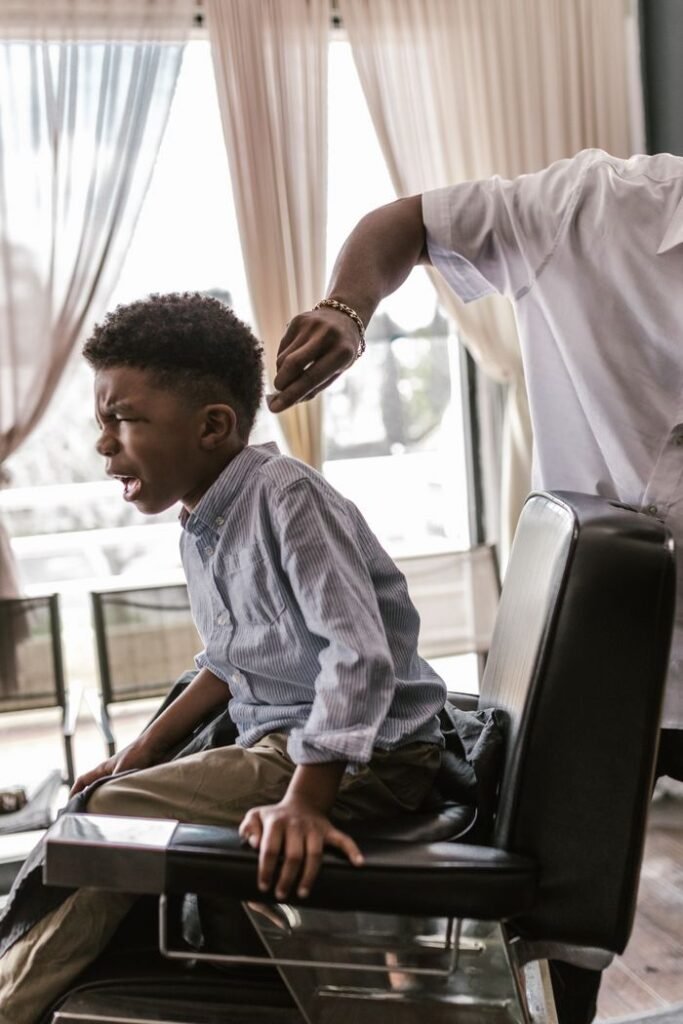
A simple haircut or nail trim may trigger genuine distress.
These reactions may be signs of tactile defensiveness, a sensory processing difference that affects how a child responds to touch.
Understanding tactile defensiveness helps parents move beyond frustration and begin responding with empathy and practical support.
What Does Tactile Defensiveness Look Like?
Every child is different, but some common signs include:
- Refusing to wear certain clothes because of fabric, seams, or clothing tags.
- Disliking socks, shoes, hats, or specific materials.
- Becoming upset during hair washing, brushing, or haircuts.
- Crying during nail trimming.
- Avoiding messy play such as paint, sand, glue, shaving foam, or mud.
- Refusing to walk barefoot on grass, carpet, or sand.
- Pulling away from hugs or unexpected touch.
- Becoming distressed when hands become sticky or dirty.
- Preferring long sleeves even in warm weather because certain textures feel safer.
- Frequently asking to change clothes.
Parents often describe these children as “very sensitive.”
In reality, the child may simply experience touch much more intensely than others.
Why Does This Happen?
Our skin constantly sends information to the brain.
For most people, the brain filters this information automatically.
It decides what is important and what can be ignored.
For some children, this filtering process works differently.
A gentle touch that feels normal to one child may feel uncomfortable or overwhelming to another.
This is why two children can have completely different reactions to the same experience.
One child happily plays in finger paint.
Another refuses to touch it.
Neither child is wrong.
Their brains are simply processing sensory information differently.
Tactile Defensiveness Is More Than “Being Picky”
One of the biggest misconceptions is that children with tactile defensiveness are simply fussy.
Imagine wearing an itchy sweater that you couldn’t remove all day.
Or imagine someone unexpectedly touching you every few minutes while you were trying to concentrate.
Now imagine that feeling being even stronger.
For many children with tactile defensiveness, ordinary touch can feel distracting, uncomfortable, or overwhelming.
Recognizing this changes how we respond.
Instead of assuming a child is refusing on purpose, we begin asking:
“What is this sensory experience feeling like for them?”
That question opens the door to understanding rather than conflict.
Everyday Situations That Can Be Challenging
Tactile defensiveness often appears during ordinary routines, including:
Getting Dressed
A child may refuse certain fabrics, clothing labels, socks, or shoes because they feel irritating against the skin.
Mealtimes
Some children avoid foods because of their texture rather than their taste.
Crunchy, soft, sticky, or mixed textures may all feel overwhelming.
Bath Time
Hair washing, face wiping, or towel drying may trigger distress.
School Activities
Art projects involving glue, paint, sand, or clay may become difficult.
The child may avoid participating not because they dislike learning, but because the sensory experience feels uncomfortable.
Social Interaction
Some children dislike hugs, holding hands, or unexpected physical contact.
This doesn’t mean they don’t enjoy affection.
It simply means they may prefer different ways of expressing and receiving it.



How Parents Can Support a Child with Tactile Defensiveness
Support starts with understanding.
Here are practical ways to help:
Respect Their Sensory Experience
Avoid forcing touch that causes distress.
Instead, introduce new textures gradually and at the child’s pace.
Offer Choices
Allow children to choose clothing fabrics, towels, or sensory play materials whenever possible.
Having some control often reduces anxiety.
Introduce New Textures Slowly
Rather than expecting immediate participation, encourage exploration step by step.
Looking at a new texture today may lead to touching it tomorrow.
Small progress is still progress.
Prepare Before Touch
Children often respond better when they know what is about to happen.
For example:
“I’m going to wash your hair now.”
Giving advance notice reduces surprises.
Make Sensory Play Positive
Messy play doesn’t have to start with finger paint.
Children can begin with dry materials such as rice, beans, cotton balls, or soft fabrics before progressing to wetter textures.
The goal isn’t to force participation but to build confidence over time.
When Should Parents Seek Support?
If sensitivity to touch is interfering with daily routines, learning, play, dressing, eating, or social participation, it may be helpful to seek professional guidance.
Early support can help parents better understand their child’s sensory needs and develop practical strategies that fit naturally into everyday life.
The earlier sensory differences are understood, the easier it becomes to reduce stress and build confidence for both the child and the family.
Final Thoughts
Children who avoid certain textures, clothing, or touch are not always being stubborn or difficult.
Sometimes, they are communicating that their nervous system experiences touch differently.
When we look beyond the behaviour, we begin to understand the child.
And when we understand the child, we can respond with patience, empathy, and strategies that help them feel safe, confident, and ready to engage with the world around them.
At SensoryCare Therapy Services, we believe every child’s sensory experience is unique. By helping parents understand the “why” behind behaviours like tactile defensiveness, we empower families to support their children with confidence and compassion.
Concerned About Your Child’s Development?
Early support can make a life-changing difference.
At Sensorycare, we help children with autism, ADHD, speech delays, sensory challenges, and developmental difficulties build the skills they need to thrive.
Book a consultation today and let’s discuss how we can support your child.
