
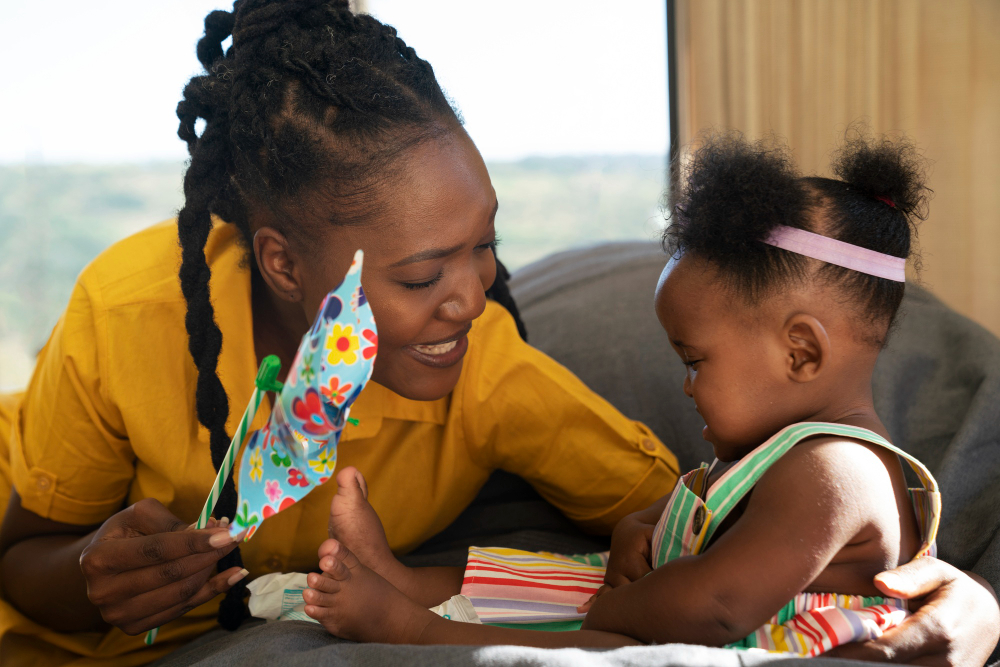
Every parent looks forward to watching their child grow, first smiles, first words, first steps. But sometimes, you may begin to notice small differences that raise concern.
Maybe your toddler isn’t talking yet.
Maybe they avoid eye contact or seem more interested in objects than people.
Or perhaps they prefer to play alone and don’t respond when called.
These moments can feel confusing or even worrying, but they are also important signals.
Recognizing the early signs of autism in toddlers (0–3 years) can make a life-changing difference. The earlier these signs are identified, the sooner your child can receive the right support through early intervention, helping them build communication, social, and learning skills during their most critical years of development.
What is Autism in Toddlers?
Autism, or Autism Spectrum Disorder (ASD), is a developmental condition that affects how a child communicates, interacts with others, and understands the world around them.
It is called a spectrum because children with autism can have a wide range of strengths and challenges. Some children may have delayed speech, while others may develop language but struggle with social interaction or behavior.
Signs of autism can appear early, sometimes as early as 12 to 18 months. In other cases, they become more noticeable between ages 2 and 3, when communication and social expectations increase.
Why Early Detection Matters
Early childhood is a crucial period for brain development. During this time, children are rapidly learning how to communicate, connect, and explore their environment
When Autism is Identified Early:
* Children can receive targeted support sooner
* Therapy can begin during critical learning years
* Long-term outcomes in communication and behavior improve
Early intervention programs, including speech therapy, behavioral therapy, and sensory-based support can help children develop essential life skills in a structured and supportive way.
The earlier the support begins, the greater the impact on your child’s progress.

Early Signs of Autism in Toddlers
Every child is different, but here are some common signs parents may notice:
1. Delayed Speech or No Speech
* Not saying single words by 12–18 months
* No two-word phrases by age 2
* Limited or no babbling as an infant
Speech delay is often one of the first concerns parents notice. While not all speech delays indicate autism, it is important to observe alongside other behaviors.
2. Poor Eye Contact
* Avoids looking at people during interaction
* Rarely maintains eye contact when spoken to
Eye contact is an important part of communication and connection. Limited eye contact may be an early sign of social communication difficulty.
3. Limited Response to Name
* Does not respond when their name is called
* May appear to ignore others, even when hearing is normal
This can sometimes be mistaken for stubbornness or distraction, but it may reflect a delay in social awareness.
4. Lack of Gestures
* No pointing to show interest
* Does not wave “bye-bye”
* Rarely reaches out to be picked up or to share
Gestures are an early form of communication. When they are absent, it may indicate a delay in social and communication development.
5. Repetitive Behaviors
* Hand flapping, rocking, or spinning
* Repeating the same actions or movements frequently
* Strong attachment to routines
These behaviors may help the child regulate themselves but can also be a key sign of autism.
6. Limited Social Interaction
* Prefers to play alone most of the time
* Shows little interest in interacting with others
* Does not engage in simple social games like peek-a-boo
Children naturally seek connection, so limited interaction can be a sign worth exploring.
7. Unusual Play Patterns
* Lines up toys repeatedly instead of playing with them
* Focuses more on parts of objects (e.g., spinning wheels)
* Does not engage in pretend play
Play is a window into a child’s development. Differences in play patterns can provide important clues.
8. Sensory Sensitivities
* Overreacts to sounds, lights, or touch
* Avoids certain textures, foods, or clothing
* Seeks unusual sensory input (e.g., spinning, touching everything)
Sensory differences are very common in children with autism and can affect daily routines.

When Should You Be Concerned?
You should consider seeking professional guidance if your child:
* Is not talking by age 2
* Does not respond to their name
* Avoids eye contact consistently
* Shows little interest in people
* Displays repetitive behaviors
* Has lost previously acquired skills
As a parent, your instincts are important. If something doesn’t feel right, it’s always worth checking.
What to Do Next
If you notice any of these signs, taking early steps can make a meaningful difference:
1. Get a Professional Assessment
A comprehensive evaluation by a qualified professional can help determine whether your child has autism or another developmental delay.
This step provides clarity and helps guide the next course of action.
2. Start Early Intervention
Early intervention programs are designed to support children during their most important developmental years.
These programs focus on building:
* Communication skills
* Attention and focus
* Social interaction
* Daily living skills
3. Begin Therapy Support
Based on your child’s needs, therapy may include:
* Speech therapy – to support language and communication
* Behavioral therapy – to improve learning and behavior
* Sensory integration therapy – to help regulate sensory responses
Therapy is most effective when it is consistent, engaging, and tailored to your child.
Supporting Your Child at Home
In addition to professional support, simple daily interactions can help:
* Talk to your child frequently, even if they don’t respond yet
* Use gestures like pointing and waving
* Engage in play that encourages interaction
* Celebrate small progress
Consistency and patience go a long way.
Every child develops at their own pace, but consistent delays or differences should not be ignored.
Recognizing the early signs of autism gives your child the opportunity to receive the support they need to grow, communicate, and connect with the world around them.
Early support truly makes all the difference.
You don’t have to navigate this journey alone.
In our next post, we’ll go deeper into something every parent asks us:
“My child is not talking yet, how do I know if it’s autism or just speech delay?”
We’ll break it down in a simple, practical way so you can better understand your child’s communication development and what steps to take next.
Stay tuned. It will be very helpful for every parent in this stage.
Concerned About Your Child’s Development?
Early support can make a life-changing difference.
At Sensorycare, we help children with autism, ADHD, speech delays, sensory challenges, and developmental difficulties build the skills they need to thrive.
Book a consultation today and let’s discuss how we can support your child.
